
Estimating
HVAC Estimate Template: Name the System Before You Price It
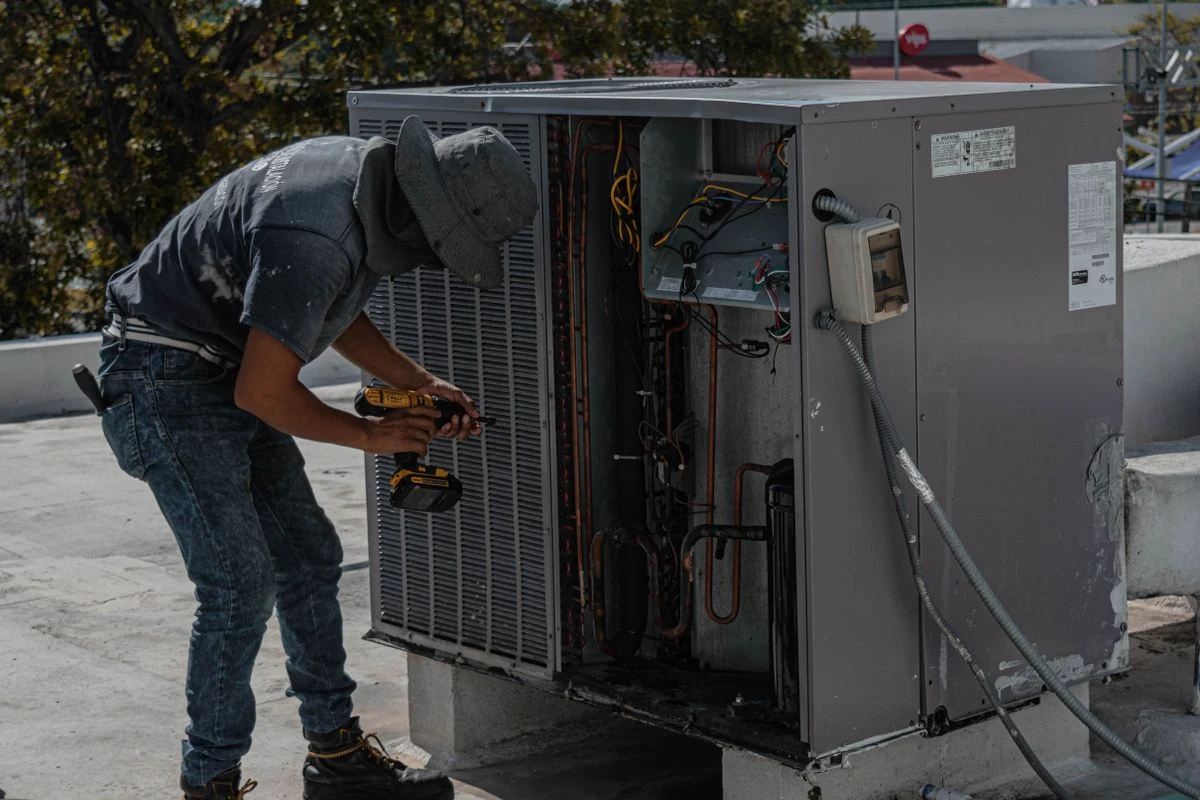
A replacement estimate often fails before the price is even read. The customer sees one large total, a brand name they half recognize, and no clear way to tell what they are buying. An estimate for a replacement or an install has to name the equipment first and price it second, in that order.
Build it in this order: the customer and job block, the equipment named by make, model, and size on its own lines, labor and materials kept apart, options as separate priced lines, the deposit and the valid until date, and what is not included, written before the signature.
Name the system before you price it
Open with the job, not the total. Put your business name and phone at the top, then the customer name, the job address, and the date you looked at the job. Under that, write the problem in plain words: what failed, what is worn out, or why a replacement is being quoted at all.
Then name the equipment. The outdoor unit gets its own line with the make, the model, and the size. The indoor unit, the furnace or air handler, gets its own line the same way. A thermostat, a pad, a disconnect, or a line set each get a line if they are part of the job. One item per line, named the way the customer can check it against the house later.
That detail does real work. A customer can line two estimates up side by side, your crew can order from the paper without a second call, and months later the estimate still says exactly what was quoted.
Keep labor and materials apart
Under the equipment, show labor on its own line and materials on their own lines. Labor is the crew time to remove the old system, set the new one, connect it, and test it. Materials are the parts the job consumes: refrigerant line work, fittings, sheet metal changes, electrical parts, and disposal of the old unit where your shop handles it.
Do not fold all of that into one equipment price. A lump hides where the money goes. If the duct connection needs more work than the first look showed, the change belongs on a line of its own, approved before the extra work starts.
State tax where it applies on its own line, and show any discount as its own line too, taken off in the open. The subtotal, the discount, the tax, and the total should read in that order, top to bottom, with no step left for the customer to guess.
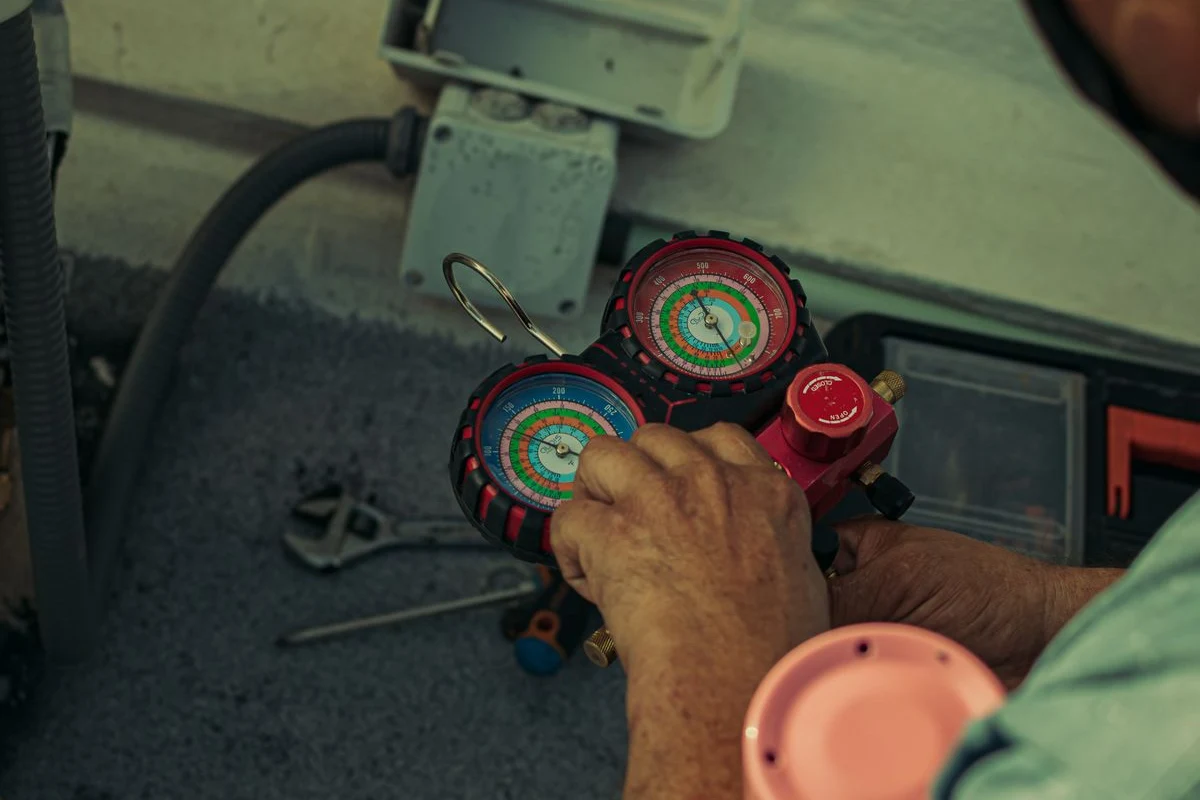
Write options as lines the customer can pick
Most replacements have a real choice inside them: a higher efficiency unit, a better thermostat, a maintenance plan, duct cleaning, or an extended parts cover your shop offers. Write each option as a separate priced line, apart from the base job, with a short note on what it adds.
The base estimate stays complete and safe to sign on its own. An option the customer wants gets added and the total updates. One they pass on comes off cleanly, without rewriting the whole paper.
Keep the option list short. Two or three genuine choices beat a page of add ons. If an option changes the equipment itself, name the replacement make and model on that line too, so picking the option still names the system being installed.
State the deposit and the valid until date
Put two facts where the customer cannot miss them, near the total: the deposit due to start, and the date this estimate stays valid until. The deposit line should state the amount due, not just a percent, and the total should show that deposit as part of the job price, with the balance due on completion stated beside it.
The valid until date matters because equipment prices and availability move. An estimate with no date on it gets held up three months later as if it were written yesterday. A dated estimate is fair to both sides: the customer knows how long they have to decide, and your shop is not locked to a price the supplier no longer offers. When the date passes, you reprice the equipment lines and issue a fresh paper, rather than arguing over an old one.
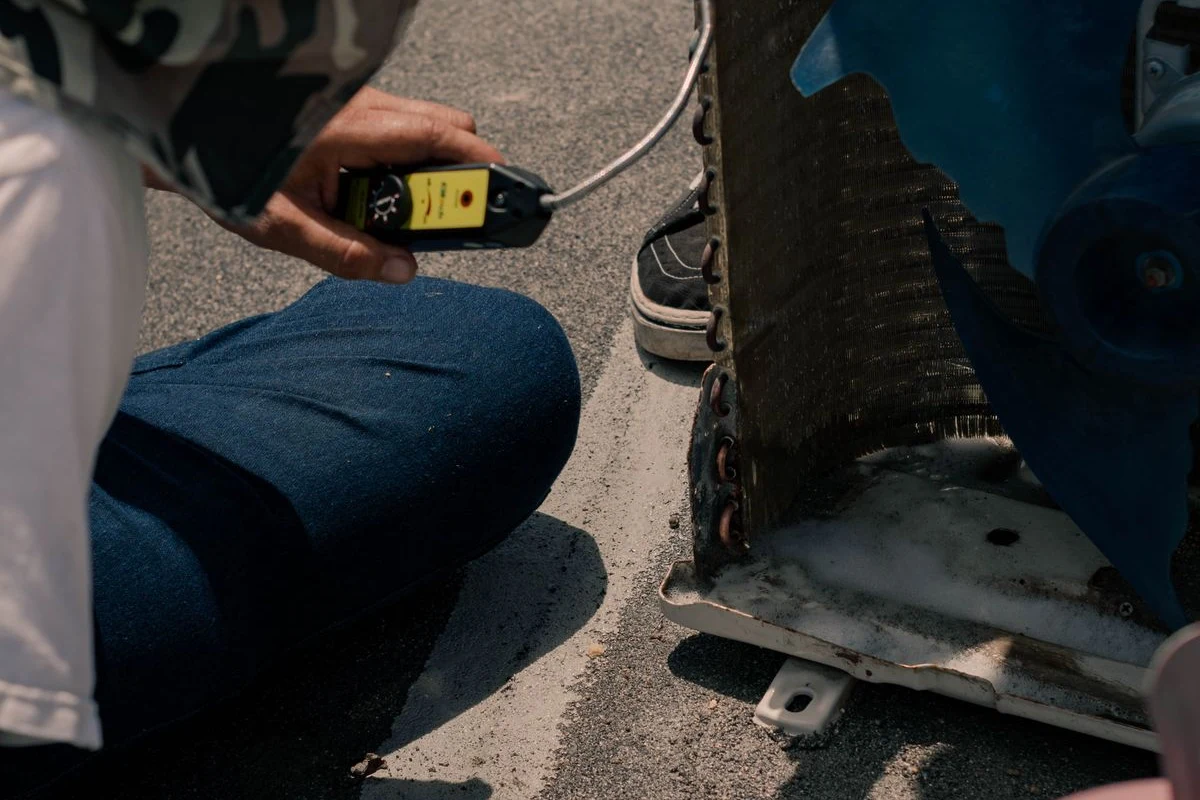
Write what is not included, before the signature
The last block before the signature lines is the one many estimates skip: what this price does not include. Write it in plain words. Common lines are electrical panel upgrades, permit fees where the customer pays the city directly, duct replacement beyond the connections named above, drywall or concrete repair, and work on parts of the house the job does not touch.
This block is not fine print. It is there so a surprise during the install is already answered on paper. If the panel does need work, the customer has read, before signing, that it sits outside this price, and the extra work can be quoted as its own line with its own approval.
Close with the signature lines and the date signed. Keep a copy with the job file, next to the photos and notes from the first visit. The signed estimate becomes the order the install is checked against.
The HVAC Starter 3-Pack does not ship an estimate template by that name. What it ships is the quoting structure an estimate like this is written from: the Service Quote Sheet, with equipment, parts, and labor lines, discount, tax, total, deposit due, and signature lines, all figured by formulas as you type. The pack also includes the Maintenance Plan Tracker, with renewal flags that update themselves, for the plan offer that often rides with a replacement. $19 launch price, list $29.
Put this thinking to work.
A five-tab spreadsheet operating system for residential electrical contractors: estimate jobs to hit your margin, track every lead, invoice and see per-job profit, manage clients, and log expenses. $119 one-time.
See the Contractor Operating System →Keep reading
More field notes.
Estimate Template vs. Estimating System: What Actually Wins Bids
A template makes one estimate look good. It does nothing for the next fifty. The difference is fixed inputs, feedback, and follow-through.
Business numbersThe 5 Numbers Every Electrical Contractor Should Track Weekly
Are you making money right now? Not last quarter. This week. Five numbers, checked in thirty minutes, tell you whether work is coming in, priced right, and actually getting paid.
The launch notes
Occasional, plain-spoken email.
New products, new playbooks, and practical notes on running a service business. No spam, no funnels, no daily drip. Unsubscribe anytime.