
Service reports
Pest Control Service Report Template: The Record the Customer Signs at the Door

The service report is the paper the customer signs before your truck leaves the driveway. It is not the invoice, and it is not your chemical log. It is the record of this visit, written at the house, in plain words: what you looked at, what you found, what you treated, and what happens next. A good report takes four minutes to finish. A missing one costs you the argument three months later, when the customer remembers the visit differently than you do.
Build the report around six blocks. If all six are filled in on every stop, the report does its job whether the visit was routine or rough.
The header: date, tech, and address
Start with the facts that pin the visit down. Service date and the time you arrived. The technician name, printed, not initials nobody can read later. The customer name and the full service address, including the unit or gate note if the property needs one. The service type: quarterly treatment, callback, one time service, or inspection only.
This block looks too simple to matter. It matters when a report gets pulled for a complaint, a refund request, or a state record review, and the first question is who was at this address, on what day, doing what kind of work. Answer it at the top, every time.
Areas inspected and treated
List the areas as two groups, because inspected and treated are not the same thing. First, what you inspected: exterior perimeter, garage, attic access, crawl space entry, kitchen and bath plumbing lines, windows and eaves. Second, what you treated, area by area, with the method used in each place: crack and crevice work, bait placement, exterior band, spot treatment.
Write it as the customer would walk it. North side, back patio, under the kitchen sink. A report that names real places in the house reads as a record of work done. A report with one box checked that says general treatment reads as a guess, and customers treat it like one.
Pest evidence, or a clear nil finding
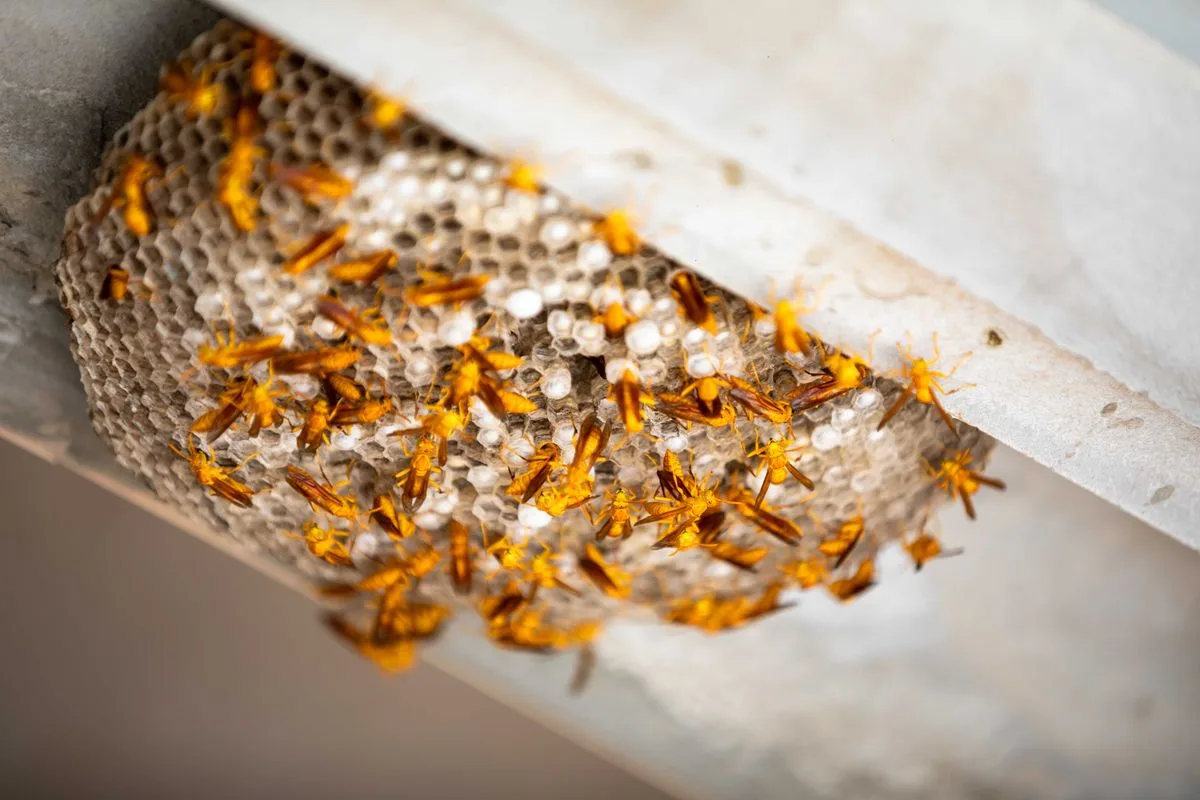
This is the section that separates a report from a receipt. Write down what you found: live activity, droppings, webbing, egg cases, damaged wood, entry gaps, or a nest. Name the pest where you can name it honestly, and name the place: German cockroach activity under the sink, wasp nest on the back eave, mouse droppings along the garage wall.
Then learn to write the other sentence with the same care: no evidence found. A nil finding is a real finding. It tells the customer the inspection happened and the house was clear that day, and it tells the next tech that a problem reported later started after this visit. Never leave the section blank. Blank reads as skipped. Nil reads as checked.
Product and application method
For each product used, write the product name, where it went, and how it was applied. Keep it factual and short: product, target area, method. Bait in the kitchen cabinet hinges. Dust in the wall void by the bath tub access. Exterior spray along the foundation and around doors and windows.
This section is for the customer copy. Your full application record, with rates, amounts, and the regulatory fields your state requires, lives in your application log, not on the door copy. The report should still name the product plainly. Customers with kids, pets, or a fish tank will ask what went down, and the report they signed should answer without a phone call to the office.
Recommendations the customer can act on
Close the work with what the house needs next, split into two lists. What you will do: return in two weeks to check the bait, treat the eave nest on the next visit, monitor the garage traps. What the customer should do: seal the gap under the back door, move firewood off the fence line, fix the drip under the kitchen sink, trim shrubs back from the siding.
Keep each item to one line and make it something a person can finish. Recommendations are where renewals are earned. A customer who fixed two items on your list and saw the problem shrink believes the program works, because they watched it work.

Signatures at the door
The report ends with two signatures: yours and the customer, with the date beside them. Sign it at the door, not in the truck, and leave a copy or send the digital copy before you pull away. If nobody is home, the report says so, notes how the copy was delivered, and records what was treated from the outside only.
The signature does not make the report a contract. It makes it a shared record. Both sides saw the same words on the same day. That shared record settles most disputes before they start, and it is the reason the report is worth the four minutes on a busy route.
Keep one habit across the whole route: the report gets finished before the next stop. A report written at the house is specific, because the house is still in front of you. A report written at night from memory turns general, because every house that day blurs into one. Specific is what the customer is paying attention to, and specific is what holds up when a state inspector, a new tech, or the customer reads the visit back to you weeks later and asks what exactly was done.
The Pest Control Starter 3-Pack does not ship a service report template. What it ships is the record keeping a report is built from: the EPA Application Record Log with all 7 CFR Part 110 fields, incomplete rows auto-flagged red, a 2-year retention statement and state-variance notes, plus the Route Sheet & Stop Planner with stop order, gate codes, pet notes, and the chemical plan for the day, which prints one page for the truck and includes a route-density worksheet. Records and retention rules vary by state, and none of this is legal advice.
Put this thinking to work.
A five-tab spreadsheet operating system for residential electrical contractors: estimate jobs to hit your margin, track every lead, invoice and see per-job profit, manage clients, and log expenses. $119 one-time.
See the Contractor Operating System →Keep reading
More field notes.
Estimate Template vs. Estimating System: What Actually Wins Bids
A template makes one estimate look good. It does nothing for the next fifty. The difference is fixed inputs, feedback, and follow-through.
Business numbersThe 5 Numbers Every Electrical Contractor Should Track Weekly
Are you making money right now? Not last quarter. This week. Five numbers, checked in thirty minutes, tell you whether work is coming in, priced right, and actually getting paid.
The launch notes
Occasional, plain-spoken email.
New products, new playbooks, and practical notes on running a service business. No spam, no funnels, no daily drip. Unsubscribe anytime.