
Intake
Pet Grooming Intake Form Template: The Form That Becomes the Pet Record

A grooming intake form gets treated like a formality: a clipboard at the counter, a few lines filled in while the dog pulls at the leash, then a folder nobody opens again. That wastes the best information moment in the business. Intake is the one time the owner stands in front of you ready to tell you everything about the dog: who to call, who the vet is, what the coat does, what the dog hates. Captured well, the intake form stops being a form. It becomes the pet record every later visit works from.
The owner block comes first
Start with the people. Owner name, the phone number that actually gets answered, and an email if reminders go out that way. Then the field too many forms skip: an emergency contact who is not the owner, with a phone number, and a note on what that person may approve if the owner cannot be reached. A dog that gets sick or hurt mid groom does not wait for a phone tag game to end.
Under that, the vet details: clinic name, the vet name if the owner has one, and the clinic phone number. Write down what the owner gives you at intake, while they can look it up on their phone. Asking for it later, on the day you need it, turns a small problem into a scramble.
Vaccination status, written down and dated
Record vaccination status on the intake, with dates where the owner can give them: the vaccine, the date given or the expiry date, and how the status was confirmed, with paperwork shown, vet confirmed, or owner reported noted beside it. The distinctions matter. A date the clinic confirmed is a different fact from a date remembered at the counter, and the record should say which one it holds.
Keep the update rule simple: the status gets checked when the dates on file pass, and a dog whose papers have lapsed gets flagged before the next booking, not at drop-off with the dog already in the salon. The intake starts that habit by giving the dates a home. Where your state or city sets vaccination rules for grooming, those rules govern. The form just keeps the record straight.
Coat notes: what the next groomer needs to know
The coat section is the record the next groomer works from, on every visit. Coat type and length as the dog arrives the first time. The cut the owner wants, in their words and in groomer terms: blade length, what stays, what goes. Skin notes the owner knows about: sensitivity, hot spots, lumps a vet has already seen. And the matting history: whether this dog mats, where it mats, and how it was handled last time.
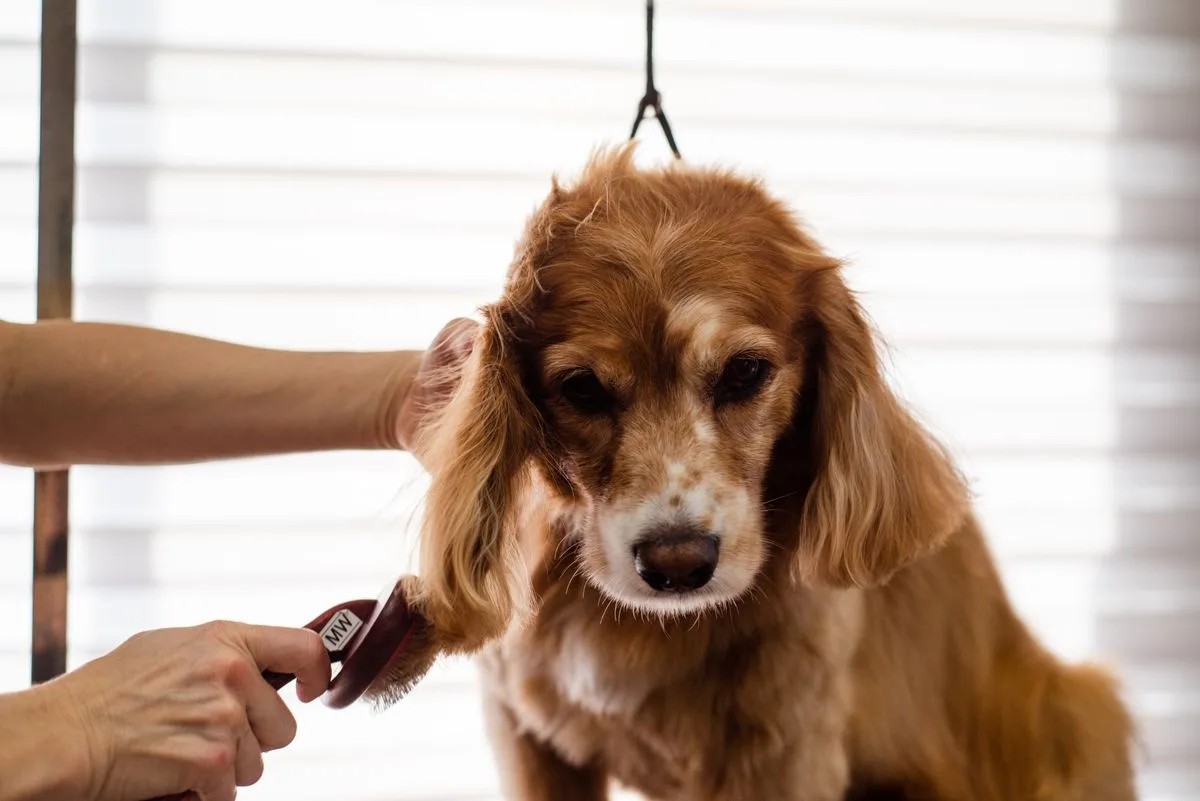
Write these as notes the next groomer can act on, because the next groomer may not be you. A record that says the coat tangles behind the ears and the owner keeps it long is a plan. A record that says nothing sends every visit back to the same first day questions, and the dog pays for the repeat in brush time.
Behavior notes, in plain words
Behavior notes protect the dog, the groomer, and the schedule. How the dog handles the bath, the dryer, the table, and other dogs. What scares it. What calms it. Whether it has ever snapped, and at what: nails, feet, face work. Owners will tell you most of this at intake if the form asks directly and without judgment.
Keep the language plain and factual. Nervous with the dryer, fine with everything else tells the next groomer exactly how to run the visit. Difficult dog tells them nothing and poisons the handoff. Update the notes after any visit where the dog surprises you, in either direction. The record should get smarter as the dog keeps coming back.
The consents, signed once at intake
The intake visit is also when the signatures happen, once, on paper the salon keeps. Five pieces do the work.
The grooming consent and liability release: the owner agrees to the groom, and the release sets out the risks ordinary grooming carries, from nicked skin on a matted dog to stress on an older one. The matted-coat and shave-down authorization: signed before it is needed, it covers working out or shaving down a matted coat, the extra charge, and the skin risks that come with it, so a hard conversation at pickup was already settled at intake. The no-show and late-pickup policies: the fees and the windows, read and signed, so enforcing them later is pointing at paper, not inventing rules. And the photo release: whether the salon may photograph the dog and use the photos, yes or no, marked clearly either way.

One honest limit, stated in the pack itself and worth stating here: these are template documents, not legal advice. Liability and policy language varies by state. Have a local attorney review your set before you rely on it.
After intake, the record keeps working
An intake record earns its keep on visit two. The rebook runs off it: the dog's cycle, four, six, or eight weeks, and the date the next groom comes due. The price runs off it too: size tier and coat condition, noted at intake, are what the quote is built from. When the owner changes the cut, note the change on the record with the date, so the file always describes the dog as it is now, not as it was a year ago.
That is the whole point of the form. One careful intake, then a record that books, prices, and grooms the dog visit after visit, whoever is holding the clippers.
The intake described here ships in the Pet Grooming Starter 3-Pack as the Policy Pack: a printable intake form plus the grooming consent and liability release, the matted-coat and shave-down authorization, the no-show and late-pickup policies, and the photo release, carrying the disclaimer that it is not legal advice and that you should have a local attorney review it. The pack also includes the Rebook Radar with four, six, and eight week cycles and at-risk revenue on overdue rows, copy-paste SMS scripts, a Price Menu Builder by size tier and coat condition, and a quick-start guide PDF.
Put this thinking to work.
A five-tab spreadsheet operating system for residential electrical contractors: estimate jobs to hit your margin, track every lead, invoice and see per-job profit, manage clients, and log expenses. $119 one-time.
See the Contractor Operating System →Keep reading
More field notes.
Estimate Template vs. Estimating System: What Actually Wins Bids
A template makes one estimate look good. It does nothing for the next fifty. The difference is fixed inputs, feedback, and follow-through.
Business numbersThe 5 Numbers Every Electrical Contractor Should Track Weekly
Are you making money right now? Not last quarter. This week. Five numbers, checked in thirty minutes, tell you whether work is coming in, priced right, and actually getting paid.
The launch notes
Occasional, plain-spoken email.
New products, new playbooks, and practical notes on running a service business. No spam, no funnels, no daily drip. Unsubscribe anytime.