
Invoicing
Pet Grooming Invoice Template: The Bill at Pickup, Pet by Pet
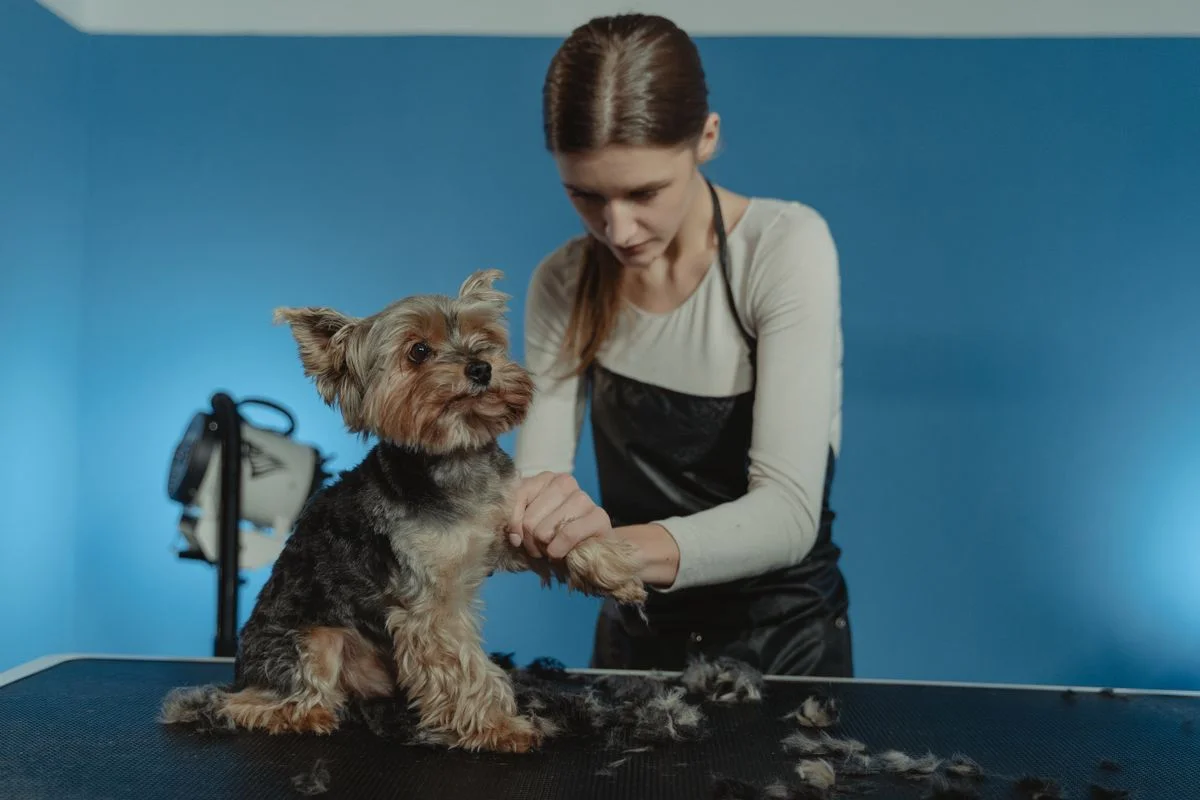
Pickup runs fast. The dog is clean, the owner is at the counter with a leash in one hand and a card in the other, and the next appointment is already in the tub. That is the worst moment to explain a bill, and it is the moment every grooming bill gets explained. An invoice built for pickup does the explaining on paper. The owner reads it in a minute, sees what each pet cost and why, and pays.
Build the invoice in five blocks: the header, one block per pet, the extra work, the credits, and the totals.
Bill the owner, not the pet
Start with the person who pays. The header carries your shop name and phone, the invoice date, and the owner name and contact, billed as one account. Pets do not pay invoices. Owners do, and an owner with three dogs gets one bill for the visit, not three slips to keep track of.
Under the owner, list the pets seen that day by name, with the appointment date beside the visit. That small block does quiet work later. When the owner calls in a month and asks what the last visit cost, the bill answers by pet name, not by a total nobody can split after the fact.
Keep the invoice number on the header too, so the counter, the book, and the owner all use the same reference.
Each pet on its own lines, by name
The body of the invoice is one block per pet, headed by the pet name. Bella gets her lines. Max gets his. Never merge two pets into one line that says two grooms with a single total. A merged line hides which pet cost what, and the owner with a large dog and a small dog will do that math at the counter and ask why the small one looks so dear.
Inside each pet block, list the work as separate lines: the bath, the cut, the brush out, each with its price. The owner can follow the block top to bottom and match it to the dog standing at their feet. The groom that took the work is the groom that shows on the bill, line by line.
This layout also protects the shop. A questioned price gets answered by pointing at one line for one pet, not by defending a total built from memory.

Price each pet from the menu, not from memory
Every line in a pet block should come off the price menu the shop quotes from. The base groom is priced by size tier: small, medium, large, and extra large, set by weight. The coat work sits on top of that base. A coat in good shape bills at the standard rate for the tier. A heavy coat, a long coat, or a coat that needed real time at the table bills at the higher coat rate the menu sets.
That structure is the whole point of a menu. The invoice is not inventing a price at pickup. It is applying the price set before the dog arrived, the same price quoted at booking. When bill and quote use the same tiers and coat rates, pickup stops being a negotiation.
Keep the tier on the invoice line itself: full groom, large tier, heavy coat. Three short facts, and the owner can see the price was built, not guessed.
Add-ons and extra work on their own lines
Add-ons belong on their own lines, under the pet they belong to: nails, teeth, ear cleaning, a flea bath, de-shedding work. Each one named, each one priced. An add-on buried inside the groom price is an add-on the owner will expect free next time, because on paper it was never a separate thing.
The same rule covers the hard extras. Matting that had to be worked out or shaved down, and a handling fee for a pet that needed a second pair of hands, go on their own lines with plain names. Matting removal. Extra handling. Priced apart from the base groom.
Owners accept these lines when they can see them. What they push back on is a total that jumped with no line to explain the jump. A matted coat is visible work: put it on the bill as work, on a line, with a price, in the same words the owner heard at drop-off.
Take deposits and package credits off in the open
Many shops take money before pickup: a booking deposit, or a prepaid package drawn down visit by visit. That money comes off on its own line, below the subtotal, named for what it is. Deposit paid at booking. Package credit, visit 3 of 5. Then the balance due.
Never net the credit into a groom price to make the line look smaller. The owner needs to see the full price of the work and the credit they already paid, as two facts. Netting hides both. It also breaks the package count, because a bill that never shows the credit never shows which visit of the package this was.

Totals that read clean, due at pickup
Close with a short totals block: subtotal, any tax your area charges on its own line, credits as above, and the amount due. State the terms where the owner will read them, at the bottom of the bill: due at pickup. One short phrase does the work. A grooming bill is not a net 30 account. The pet goes home today, and the bill settles today.
Note the next appointment on the bill if one was booked at the counter. The date turns the receipt into a reminder, and the rebook starts from paper instead of memory. Send a copy by text or email before the owner leaves: a bill the owner holds rarely gets disputed a week later.
The Pet Grooming Starter 3-Pack does not ship an invoice template. What it ships is the menu the invoice bills from: the Price Menu Builder, with size tiers S, M, L, and XL set by weight, coat condition multipliers over those tiers, and an add-on menu with a worked quote example, which prints as a one page price sheet for the counter. The pack also includes the SMS Scripts, with the checkout rebook script used at pickup, and the Rebook Radar, which tracks 4, 6, and 8 week cycles with next due dates and overdue flags, so the next visit is on the book before the current bill goes cold. $19 launch price, list $29.
Put this thinking to work.
A five-tab spreadsheet operating system for residential electrical contractors: estimate jobs to hit your margin, track every lead, invoice and see per-job profit, manage clients, and log expenses. $119 one-time.
See the Contractor Operating System →Keep reading
More field notes.
Estimate Template vs. Estimating System: What Actually Wins Bids
A template makes one estimate look good. It does nothing for the next fifty. The difference is fixed inputs, feedback, and follow-through.
Business numbersThe 5 Numbers Every Electrical Contractor Should Track Weekly
Are you making money right now? Not last quarter. This week. Five numbers, checked in thirty minutes, tell you whether work is coming in, priced right, and actually getting paid.
The launch notes
Occasional, plain-spoken email.
New products, new playbooks, and practical notes on running a service business. No spam, no funnels, no daily drip. Unsubscribe anytime.