
Plumbing operations
Plumbing Service Ticket Template: The One-Page Record That Closes the Visit
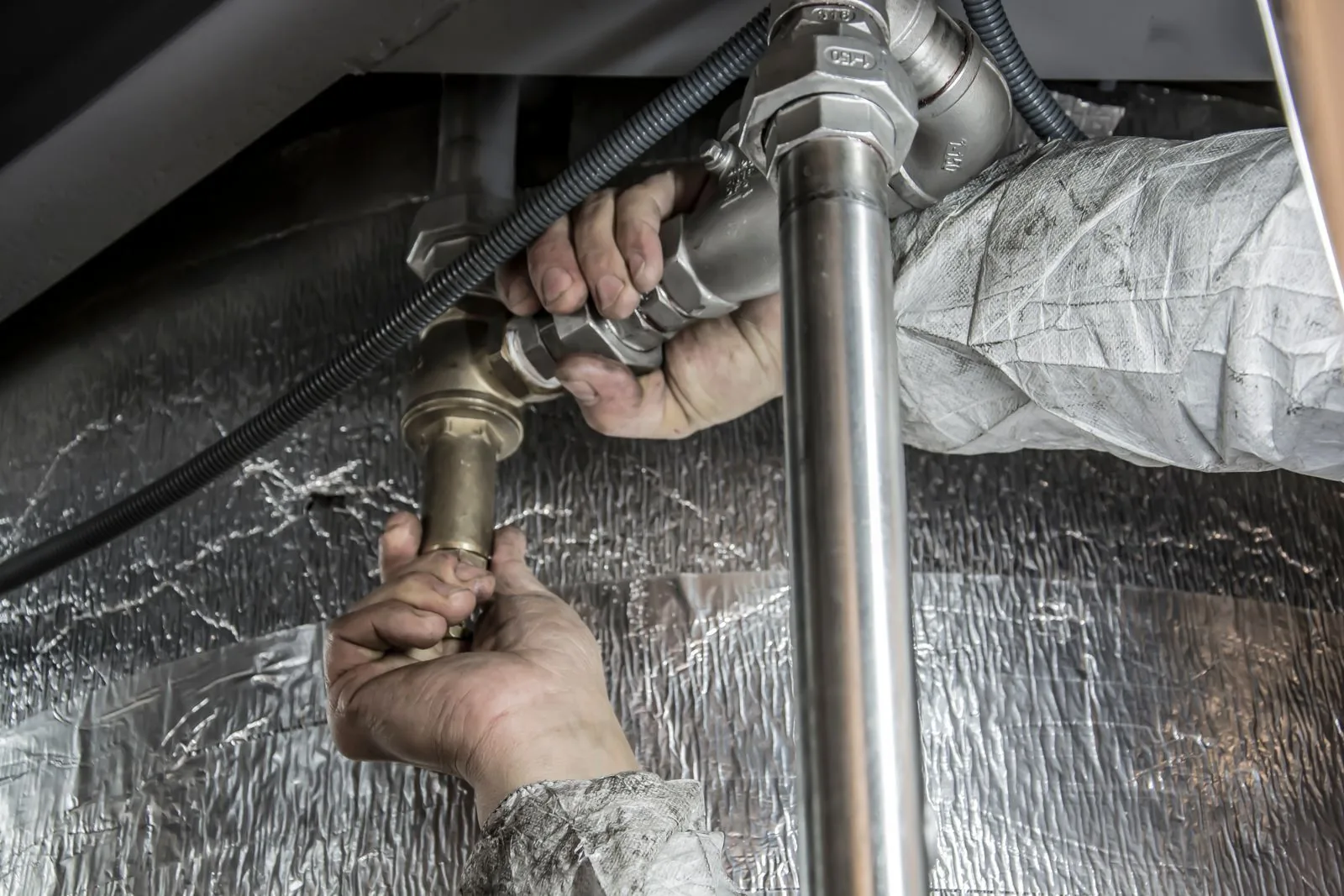
Service plumbing is a string of small jobs. Most visits run an hour, maybe two. The visit ends in a driveway, not a desk, and that is where the money leaks out: the ticket written at 9pm from memory, and memory invents parts, forgets time, and guesses at prices.
A service ticket written at the van takes four minutes. A service ticket reconstructed at night takes a week of callbacks, lost parts, and invoices that never quite match the job. Here is what goes on the one page that closes the visit.
The eight things on every ticket
Header. Customer name, address, work order number, date, technician. The ticket with no work order number is a ticket that cannot be matched to an invoice later. Number every visit.
Problem reported. The customer's words, not your translation. "Water heater leaking from the bottom." This is what the visit was for, and it is what the customer will compare the bill against.
Diagnosis. What you actually found. "Tank ruptured at the lower seam. Not repairable." Short, factual, and separate from what the customer said, because the diagnosis is what justifies the price.
Parts used. Every part, each with its price. This is the line where money leaks. The valve grabbed off the truck and never written down is a part you bought twice: once at the supply house, once when you did not charge for it.
Labor. Hours on site, or the flat-rate task code. Pick one system and use it on every ticket. Mixing hourly and flat rate on the same page confuses the customer and the office in equal measure.
Total. Parts plus labor plus tax, added up on the ticket. Not in your head, not later. On the ticket, where the customer can see it.
Payment. What was taken, how, and what is still owed. The ticket that leaves payment blank is a ticket that becomes a phone call a week later.
Signature. The customer's name under the total. The ticket without a signature is a story. The ticket with one is a record.
Price from the book, not the driveway
The hardest line on the ticket is the price, and that is exactly why it should be decided off-site. A flat-rate price book gives every common task a code and a price, built from your real costs: part at your cost with your markup, time at your loaded labor rate, overhead share, margin. The ticket records the task code. The tech does not invent prices in front of the customer.
Customers can smell invented prices, and they argue with them. Nobody argues with a book. The book is the same for every tech and every truck, which means the same job costs the same whoever shows up, and that consistency is what a service business is selling along with the repair.
The signature is the whole point
Signed scope, signed total, signed completion. When the customer calls a month later and says the work was never agreed to, you open the ticket. The ticket ends the argument before it starts.
Techs who hate asking for the signature are the same techs who hate callbacks. The signature is the shorter conversation: thirty seconds at the door versus twenty minutes on the phone next month.
From ticket to money
One record, three uses. The ticket feeds the work order log: the week's jobs, who went where, scheduled dates, technicians, and a flag column that watches dates for you. The log feeds the invoice tracker: every invoice, the balance due, automatic status (Paid, Overdue, Due Soon, Open), days overdue, and a summary strip with total outstanding.
Write it once on the ticket and the numbers flow downhill. The shops that get paid fast treat the ticket as part of the job, not paperwork after the job.
The weekly habit
Tickets closed the same day. The log updated when the ticket closes, not when someone remembers. Invoices out before the weekend. Three rules, no exceptions, because the exception becomes the habit, and the habit becomes the stack of unsigned tickets in the glove box.

Write the ticket at the van. Price it from the book. Sign it at the door. Four minutes a visit, and the month ends with every job documented, priced, and signed.
The Plumbing Starter 3-Pack covers the rest of the chain: an estimate template with fixtures, parts, and labor line items that totals itself; an invoice tracker that watches every balance and flags Paid, Overdue, and Due Soon automatically; and a work order log with scheduled dates, technicians, and date flags. $29, works in Excel and Google Sheets.
Put this thinking to work.
A five-tab spreadsheet operating system for residential contractors: estimate jobs to hit your margin, track every lead, invoice and see per-job profit, manage clients, and log expenses. $119 one-time.
See the Contractor Operating System →Keep reading
More field notes.
Estimate Template vs. Estimating System: What Actually Wins Bids
A template makes one estimate look good. It does nothing for the next fifty. Here is the difference between a format and a system, and how to move from one to the other.
Business numbersThe 5 Numbers Every Electrical Contractor Should Track Weekly
Are you making money right now? Not last quarter. This week. Five numbers, checked in thirty minutes, tell you whether work is coming in, priced right, and actually getting paid.
The launch notes
Occasional, plain-spoken email.
New products, new playbooks, and practical notes on running a professional practice. No spam, no funnels, no daily drip. Unsubscribe anytime.